Roof Safety Essentials: Jobs You Should Leave to the Pros
Few home maintenance tasks carry as much risk as working on a roof. Falls from height remain one of the leading causes of serious injury and death in Australian workplaces and homes, and residential roofs are a frequent location for these incidents. On the Sunshine Coast, where homes face intense UV exposure, sudden summer storms, high humidity and salt-laden coastal air, roofs work hard year-round. That means they need regular attention, but not every job is one a homeowner should tackle alone.
This guide explains which roofing jobs are best left to qualified professionals, why they are riskier than they look, and how to make smart decisions that protect your family and your property.
Why Roof Work Is More Dangerous Than It Looks
From the ground, a roof can look like a manageable surface. Up close, the reality is different. Roof pitches, slippery surfaces, fragile materials and unpredictable weather combine to create hazards that even careful people can underestimate.
Local Conditions That Increase Risk
The Sunshine Coast climate adds a few extra challenges:
- Morning dew and humidity: Moisture, algae and lichen make tiles and metal sheeting slippery, even when it hasn't rained.
- Sudden storms: Summer afternoon storms can roll in quickly, bringing wind, rain and lightning while you're still up on the roof.
- Extreme heat: Metal roofing and tiles can become hot enough to cause burns and heat exhaustion during the warmer months.
- Salt air and UV exposure: Coastal conditions accelerate the ageing of roofing materials, making them more brittle and prone to cracking or corrosion.
- Brittle or fragile sections: Older fibre cement sheets, skylights and weathered tiles can break under body weight without warning.
Roofing Jobs You Should Always Leave to the Pros
Roof Repairs and Leak Detection
Finding the source of a leak is rarely as simple as spotting a damp patch on the ceiling. Water can travel along battens, rafters and sarking before it appears inside the home. A professional knows how to trace water entry points, assess damage to the underlying structure and complete lasting repairs rather than temporary patches that fail in the next downpour.
Re-Bedding and Re-Pointing Ridge Capping
Ridge capping sits at the highest and most exposed part of the roof. Over time, the mortar that secures it can crack and crumble, especially in coastal conditions. Re-bedding and re-pointing requires working at the roof's peak, handling heavy materials and applying products correctly so they bond and flex with the roof. It's physically demanding, high-risk work that is best handled by trained roofers.
Roof Restoration and Repainting
A full restoration involves pressure cleaning, replacing broken tiles, repairing ridge capping and applying sealers and coatings. Pressure cleaning alone is hazardous because it creates extremely slippery surfaces and a reaction force that can throw you off balance. Professionals use correct fall protection, quality materials and proven application methods to deliver a finish that lasts.
Gutter Replacement and Repairs
Gutter work often means ladders at height, awkward reaching and working near roof edges, which is where many falls occur. Poorly installed gutters can also lead to water damage to fascia, eaves and even foundations. Licensed professionals ensure correct fall, secure fixings and proper drainage.

Metal Roof Sheet Replacement
Metal roofing is lightweight but its edges are sharp, the sheets are large and awkward to handle, and the surface is extremely slippery when wet. Wind can catch sheets and turn them into a hazard. Correct fixing patterns, flashings and sealing are also essential to prevent leaks and meet building requirements.
Skylight and Roof Penetration Work
Skylights, vents, flues and solar mounts all create openings in the roof's waterproof envelope. Flashing these correctly takes skill. Incorrect installation is one of the most common causes of persistent leaks. Skylights also present a serious fall-through risk, as the glazing or plastic domes cannot support a person's weight.
Solar Panel Installation and Servicing
Solar is hugely popular across the Sunshine Coast, but installation involves both electrical and roofing work. In Australia, solar installations must be completed by appropriately licensed and accredited installers. Servicing or cleaning panels also presents fall risks and electrical hazards, since panels generate power whenever there is light.
Storm Damage Assessment and Emergency Repairs
After a severe storm, roofs may be structurally compromised in ways that aren't visible from the ground. Loose tiles, lifted sheets, damaged battens and fallen branches can make the surface dangerously unstable. Power lines may also be involved. Professionals can assess the damage safely, install temporary protection such as tarping and provide the documentation insurers often require.
Asbestos-Containing Roofing
Many Australian homes built before the late 1980s contain asbestos cement in roofing, eaves or other materials. Disturbing it can release dangerous fibres. Never drill, scrub, pressure wash or break suspected asbestos sheeting. Removal and disposal of asbestos must follow strict state regulations, and in Queensland this generally requires licensed removalists for anything beyond small, limited quantities. If you suspect your roof contains asbestos, arrange professional testing and advice before any work begins.
Jobs That May Be Safe for Homeowners From the Ground
Not every roof-related task requires climbing up. There are several sensible, lower-risk ways to look after your roof without leaving the ground:
- Visual inspections from the ground: Use binoculars to look for cracked or displaced tiles, rust, sagging sections, loose flashing and moss or lichen build-up.
- Checking the ceiling and roof space: Look for water stains, daylight coming through, or damp insulation, but only access the roof cavity when it is safe and you can stay on the ceiling joists.
- Trimming overhanging branches: Only do this if branches are small and reachable from the ground. Anything near power lines or requiring a chainsaw at height should go to a qualified arborist.
- Keeping downpipes and drains clear at ground level: Check that stormwater drains and downpipe outlets are free of debris.
- Taking photos and keeping records: Document the roof's condition regularly, particularly before and after storm season.
The Hidden Risks of DIY Roof Work
Personal Injury
A fall from even a single-storey roof can cause fractures, spinal injuries or worse. Ladders are a major contributor, with many falls happening during setup, climbing or stepping onto the roof. Professional roofers use harnesses, edge protection, scaffolding and other systems designed to manage these risks.
Property Damage
Walking on tiles incorrectly can crack them. Using the wrong sealant can trap moisture. Incorrect flashing can cause leaks that go unnoticed until timber framing or insulation is damaged. What starts as a small saving can turn into a much costlier repair.
Insurance and Warranty Concerns
Some home insurance policies may be affected if damage results from unlicensed or poorly performed work. Manufacturer warranties on roofing products can also depend on correct installation. Always check your policy and product warranties before starting any work yourself.
Legal and Compliance Issues
In Queensland, certain building work must be carried out by licensed contractors, and the Queensland Building and Construction Commission (QBCC) regulates the industry. Electrical work, including solar and some roof-mounted equipment, requires licensed electricians. Work at height is also governed by safety regulations, and professional businesses must comply with them to protect workers and clients.
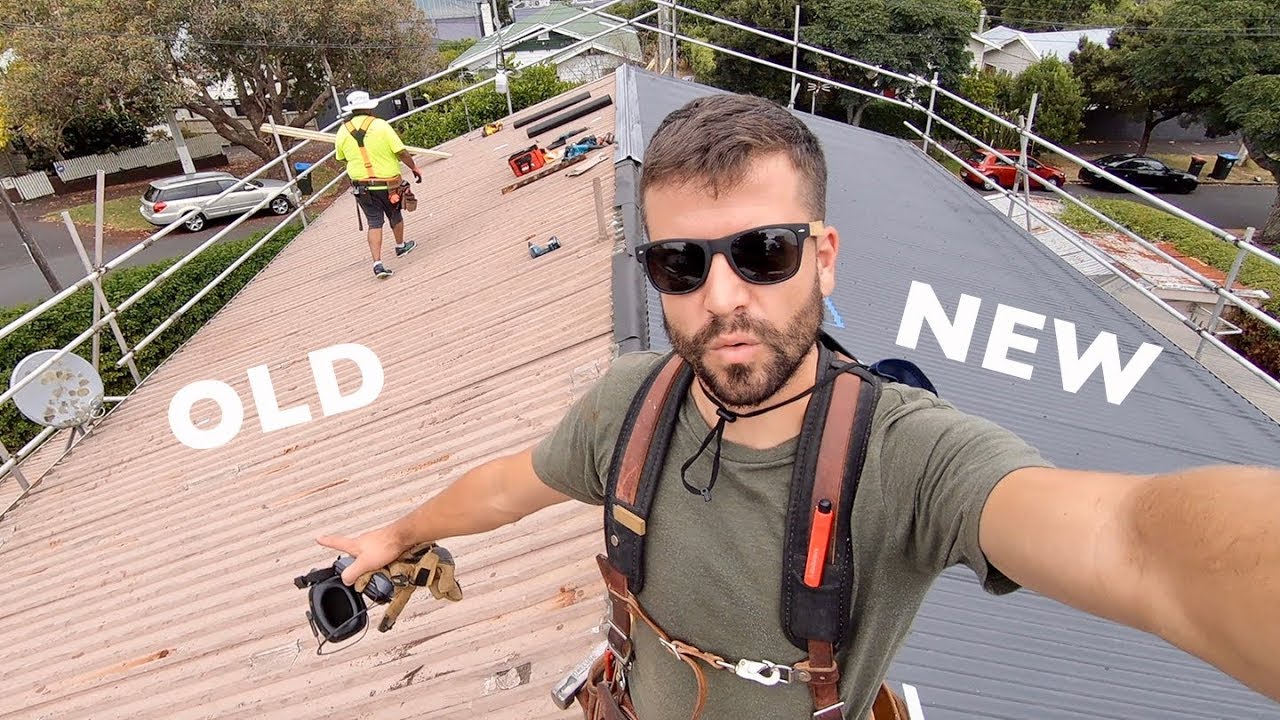
How Professionals Keep Roof Work Safe
Reputable roofing contractors don't just have experience; they have systems. These typically include:
- Risk assessments and safe work method statements before starting a job
- Fall protection such as harnesses, guard rails, roof anchors and safety nets
- Correctly set up scaffolding or elevated work platforms where required
- Appropriate personal protective equipment, including non-slip footwear, eye protection and sun protection
- Weather monitoring to avoid working in wind, rain or lightning
- Public liability insurance and workers' compensation cover
How to Choose a Qualified Roofer on the Sunshine Coast
Choosing the right professional is just as important as deciding to hire one. Keep these points in mind:
Check Licensing and Insurance
Ask to see a current QBCC licence where applicable, and confirm the business holds public liability insurance. Don't hesitate to verify details independently.
Ask About Local Experience
A roofer who regularly works on the Sunshine Coast understands how local weather, coastal air and common building styles affect roofs. They can recommend materials and coatings suited to the region.
Request a Written Quote
A detailed quote should outline the scope of work, materials, timeframes, warranty terms and payment schedule. Be cautious of vague quotes, unusually low prices or pressure to commit immediately.
Look at Reviews and Past Work
Check online reviews and ask for examples of similar jobs. Established local businesses are usually happy to provide references.
Ask About Safety Practices
A professional should be able to explain how they will manage safety on your property, including how they protect their crew, your family, your pets and your garden.
When to Call a Professional: Warning Signs
Contact a qualified roofer promptly if you notice any of the following:
- Water stains or dripping inside the ceiling
- Cracked, broken or missing tiles
- Rusted, lifted or loose metal sheets
- Sagging roof lines or uneven sections
- Damaged or crumbling ridge capping
- Daylight visible in the roof space
- Excessive moss, lichen or algae growth
- Overflowing or detached gutters
- Visible damage after a storm or high winds
Acting early usually costs less than waiting. A minor repair today can prevent major structural or interior damage later, particularly heading into storm season.
Plan Ahead: Regular Roof Maintenance in 2026 and Beyond
A proactive maintenance schedule is one of the best ways to extend the life of your roof. Many roofing professionals recommend a professional inspection at least once every one to two years, and after any major storm event. As homes continue to adopt solar, battery systems and other roof-mounted equipment, regular checks of flashings, fixings and penetrations are increasingly important. Planning ahead into 2027 and beyond means catching small problems before they become expensive ones.
Final Thoughts
Your roof protects everything beneath it, and looking after it is a smart investment. But no repair or cleaning job is worth risking your safety. Falls happen quickly, and the consequences can be life-changing. By keeping your own involvement to safe, ground-level checks and leaving repairs, restoration, installation and hazardous materials work to licensed professionals, you protect your health, your home and your peace of mind.

If you're noticing signs of wear, damage or leaks, or you simply want to know the condition of your roof, speak with a qualified Sunshine Coast roofing professional. https://sunshinecoastroofrestoration.com.au/test/ A proper inspection and clear advice will help you make the right decision, the safe way.
Sunshine Coast Roof Restoration & Repair
Unit 8/13 Newspaper Pl, Maroochydore QLD 4558
(07) 4145 4576